Mīmirū : Seismic Resilience of Traditional Māori Construction

Research Field

Marae Resilience

principal Investigator

Professor Anthony Hōete

Disciplinary Theme

DT5.6

The application of an endangered Māori construction technique onto prototype timber portals to assess and prove its seismic resilience.

Te whakauru tāera hanganga ki te tāwaharākau hai whakamātautau manawaroa i te rū.

Funding

Hema Wihongi, Natalie Balfour (National Hazards Commission Toka Tū Ake); Dr Kelly Reed, Professor Marcel Vellinga (Oxford Brookes University),Endangered Wooden Architecture Programme (EWAP)

Partners

Ngāti Ira o Waioweka, Te Rūnanga o Ngāti Awa QuakeCoRE, Natural Hazards Commission, Arcadia’s Endangered Wooden Architecture Programme (EWAP), Oxford Brookes University

Research Team

Ngāti Ira o Waioweka: Riki and Cheryl Kurei, Anna-Marei Kurei, Roger Rakuraku, Wiremu Kurei

University of Auckland: Professor Anthony Hōete, Dr Jeremy Treadwell, Dr Alex Jorgensen, Professor Jason Ingham, Dante Bonica, Dr Michael Austin, James Corles, Sonny Vercoe, Oscar Botha, Zane Egginton, Denice Belsten, Aunty Matilda Phillips, Aubrey Hōete, Paulina Piasta, Assoc Professor Olga Filippova, Sam Julian, Naomi Felicia, Garrard Hobson, Kimberley Fernandes

Auckland University of Technology: Associate Professor Sherif Beskhyroun

Chartered Professional Engineer: Alistair Cattanach (Dunning Thornton)

Suppliers: Andrew Hewitt (RedStag TimberLab)

Contractor: Rāwhiti East Coast Scaffolding: John Hunia, Clarke Hunia

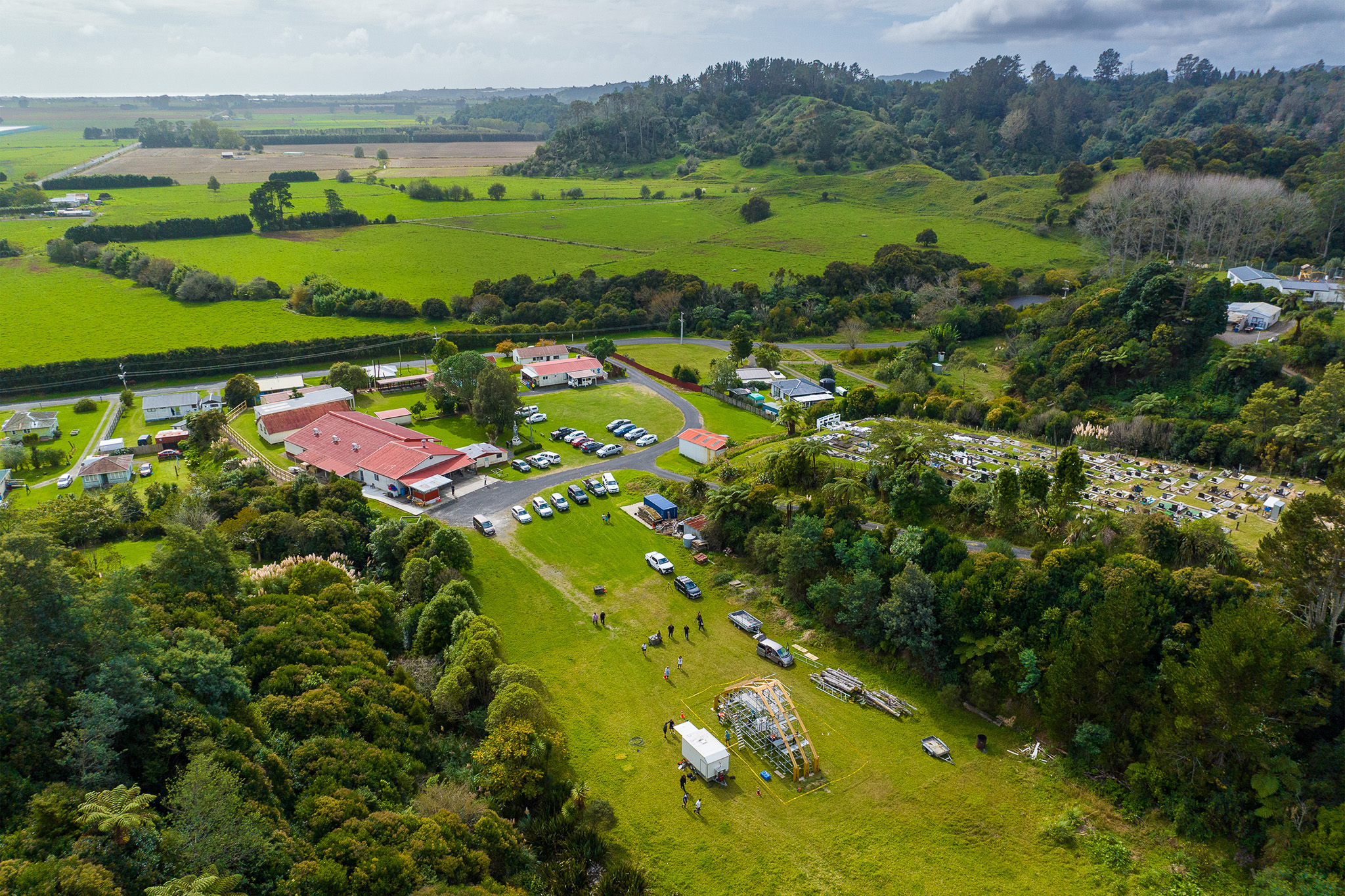
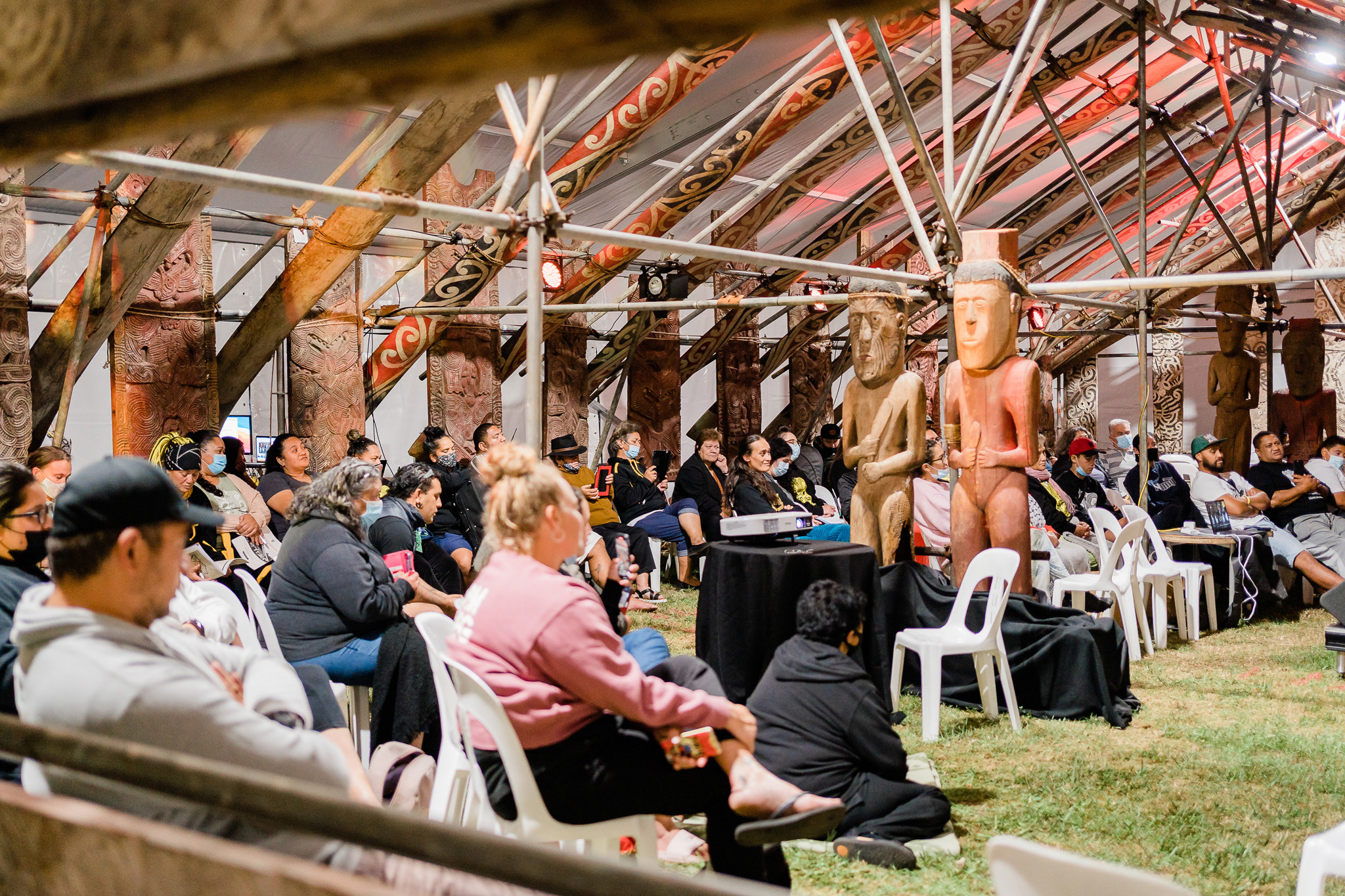
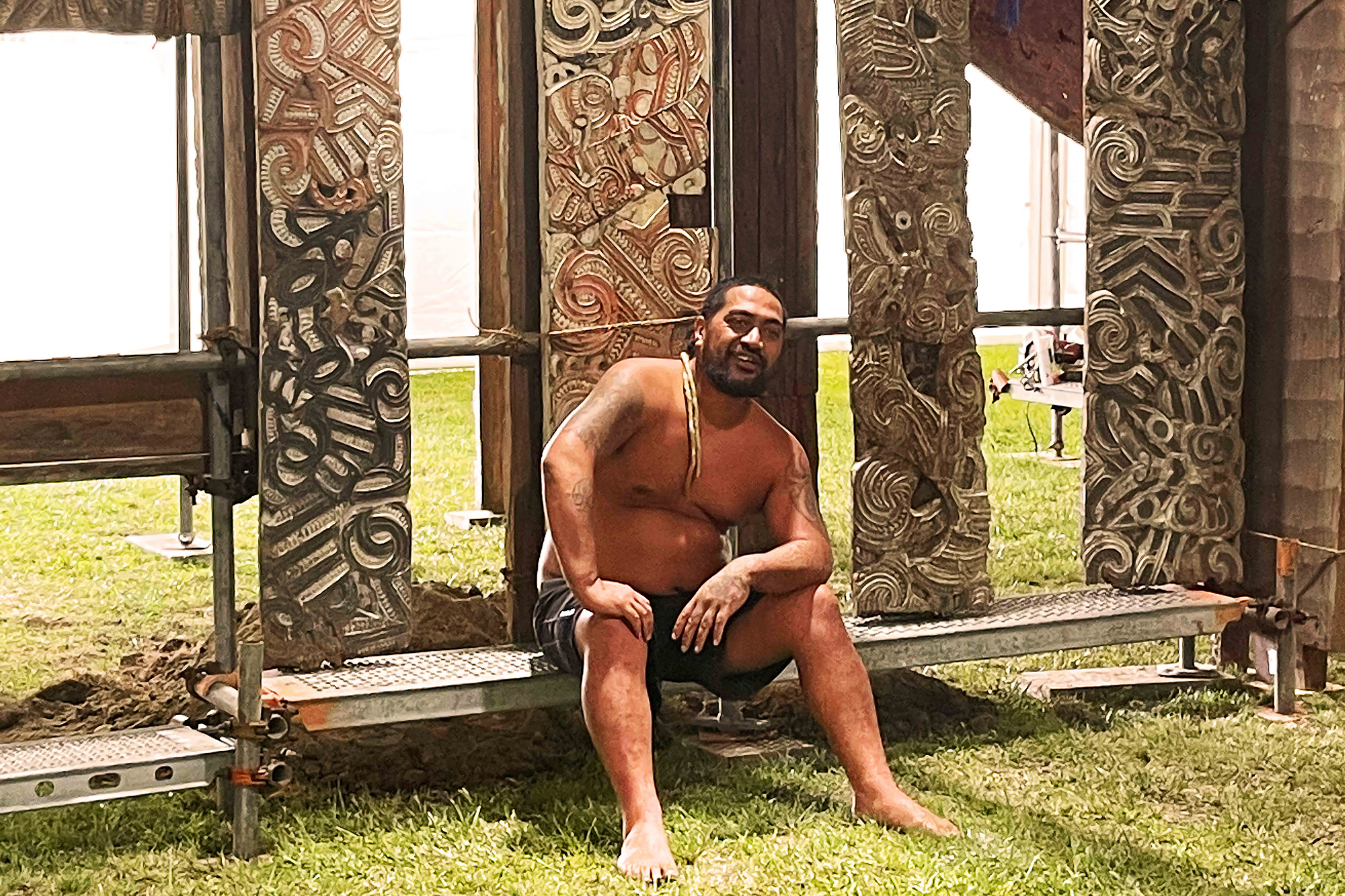
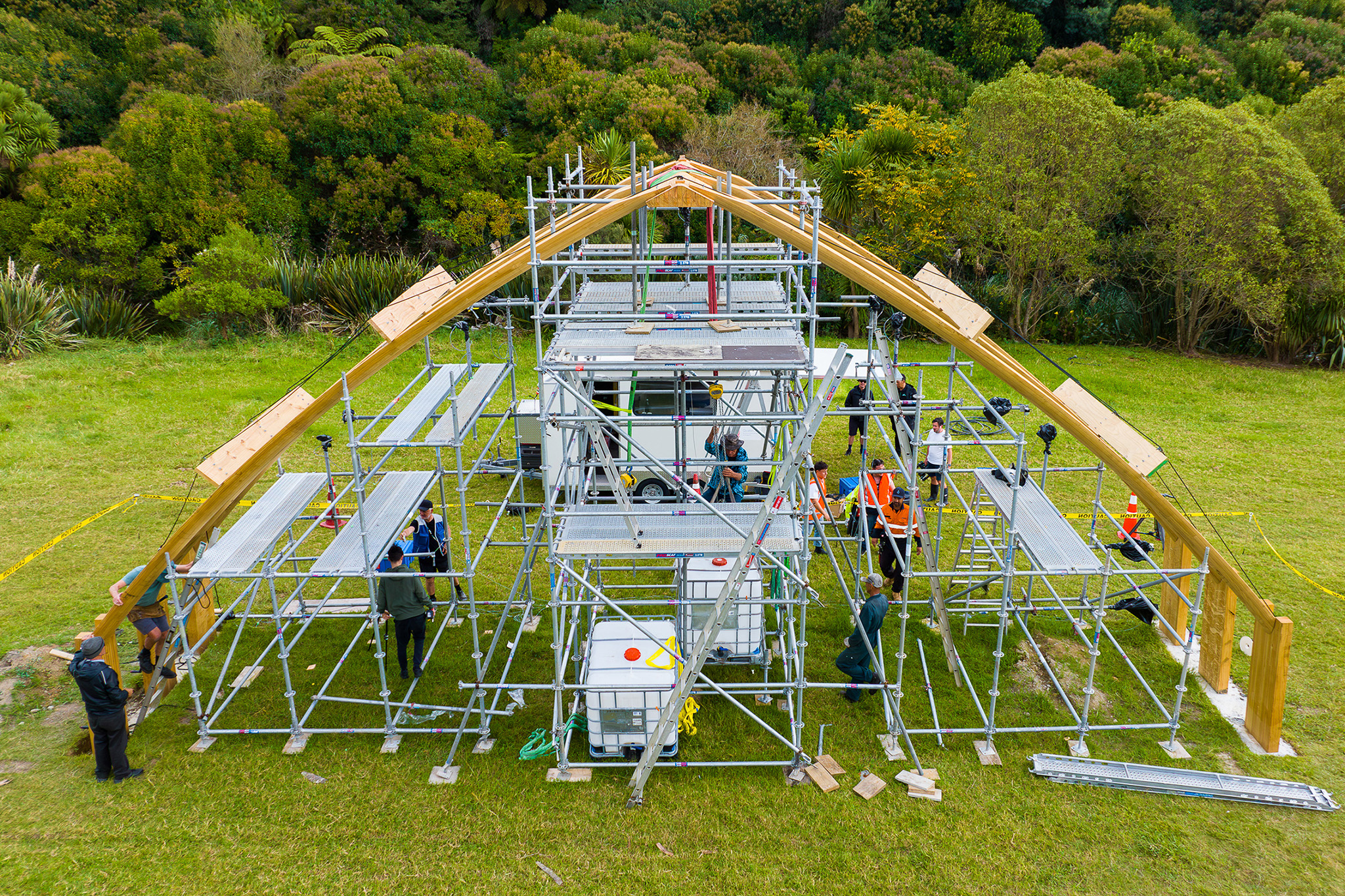
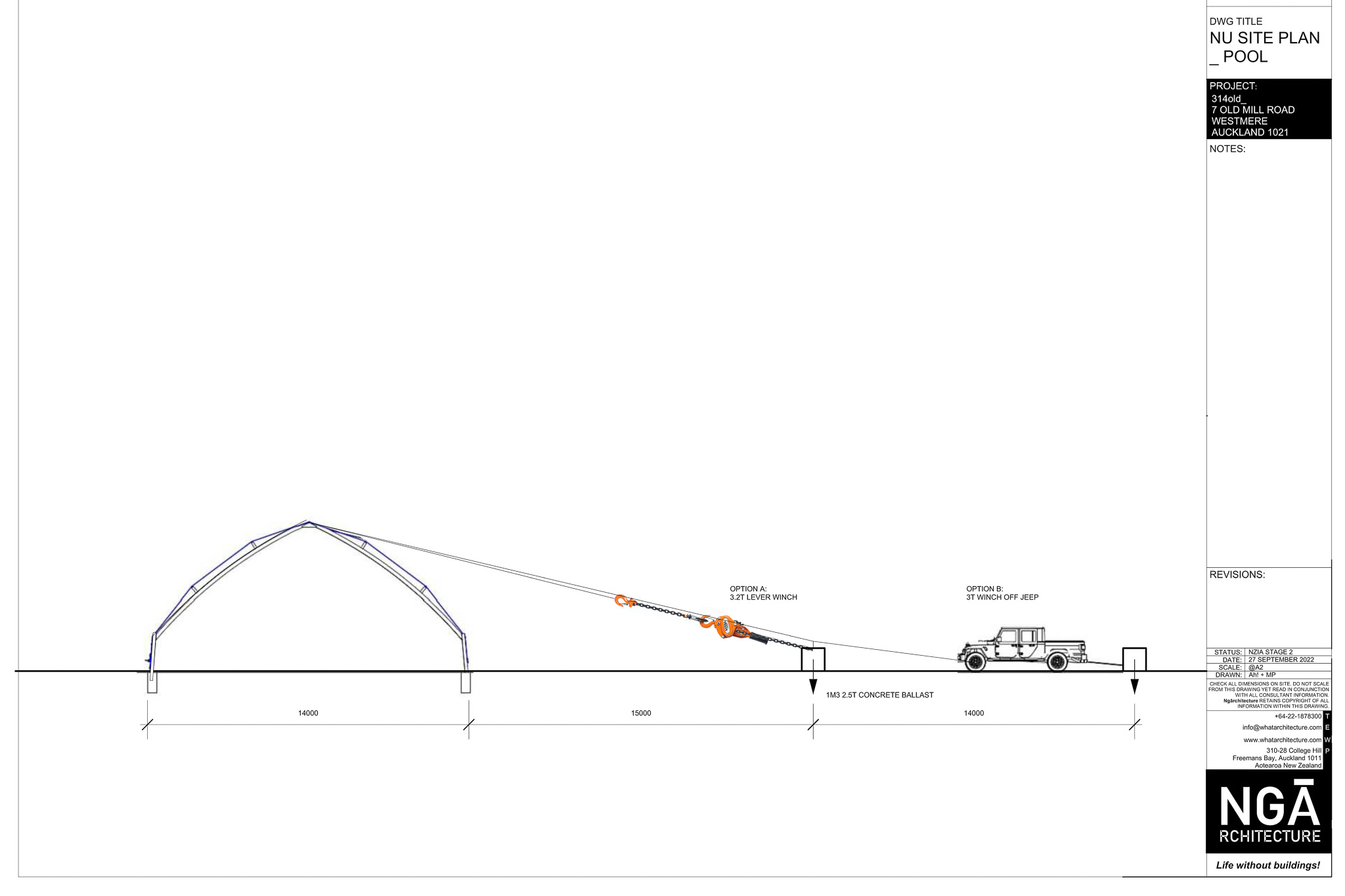
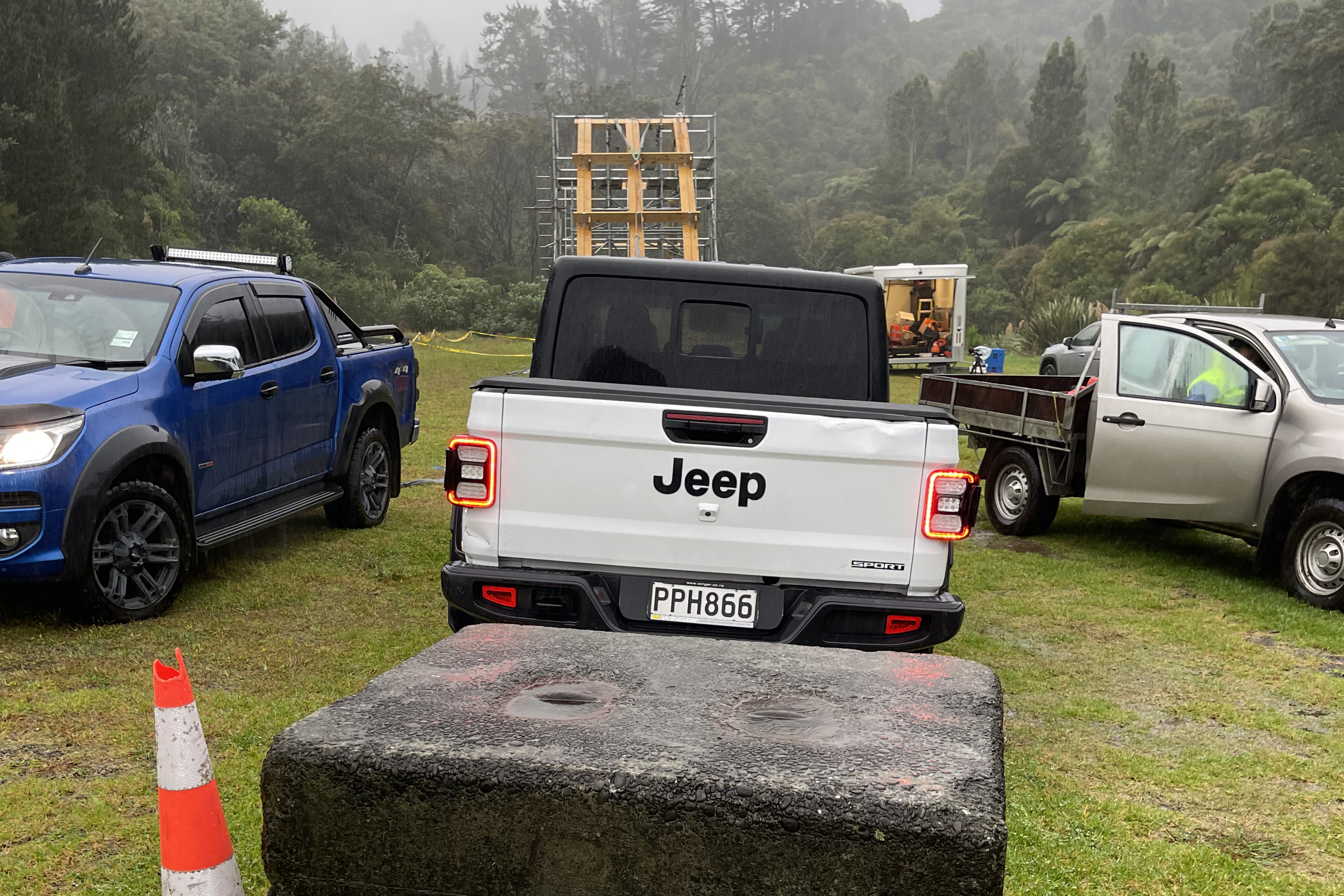
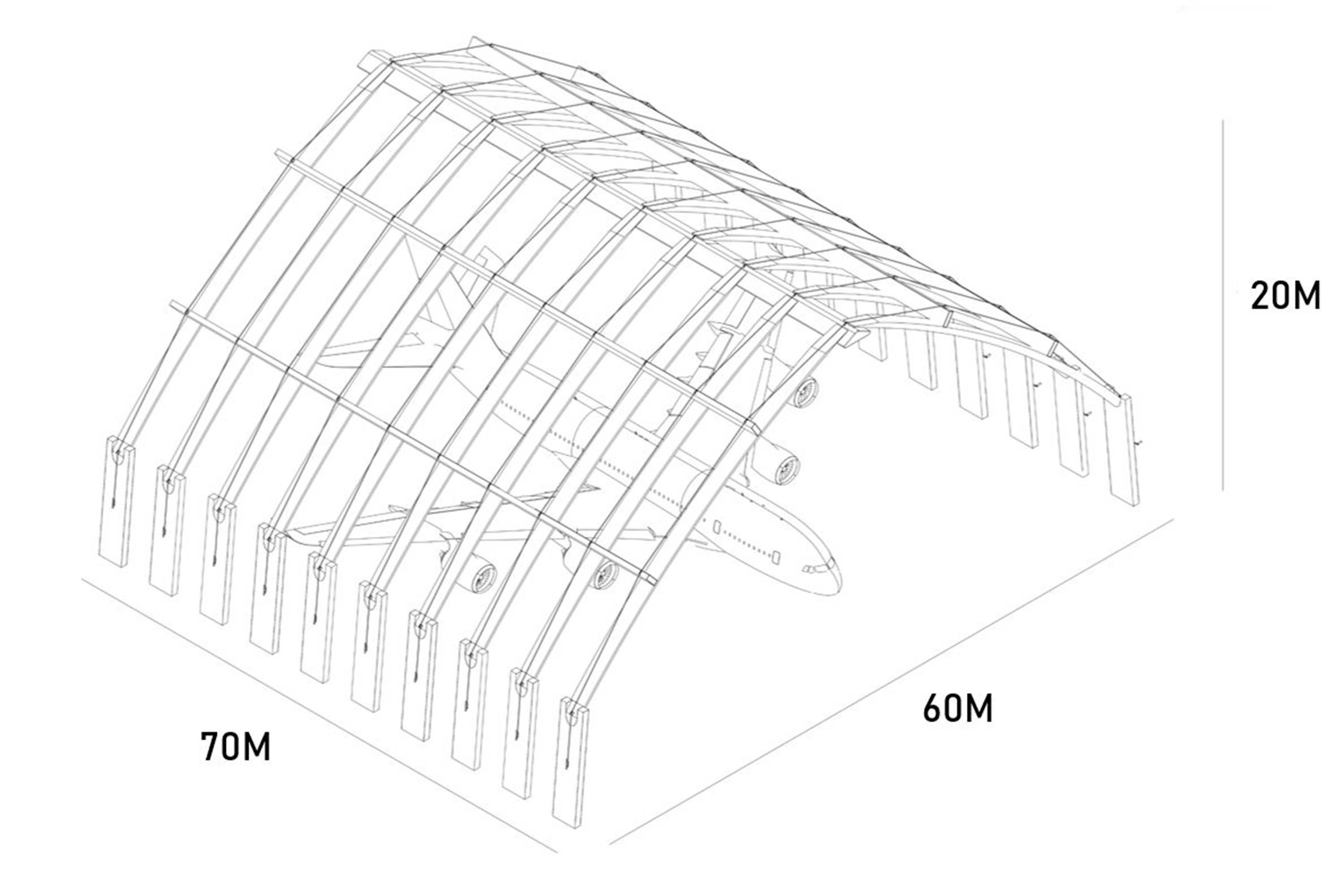
Prior to the arrival of Europeans into Aotearoa, Māori were building their whare using a boat-building construction technique known as mimiro. This technique applied post-tensioning to timber compression elements such that these houses were literally pulled into the ground.   This research advances our understanding of this endangered mātauranga knowledge by relocating mimiro within an earthquake setting. This was done by building an ‘earthquake machine’, that is the installation of a full-scale set of prototype timber portals and then testing them for seismic resilience by pulling them sideways with several jeeps. As ‘rū’ means to shake or quiver, the portmanteau Mīmirū denotes the success of this seismic testing.  

I mua i te taenga maio tauiwi ki Aotearoa, nā tetāera hanganga waka a ngāi Māori, mē kī nei kote mimiro, i hangaia ai ngā whare o te iwi. Hemea renarena pou hai whakamāro ake, anō neika tau iho ngā whare ki roto i a Papa.Ka piki māramatanga te rangahau nei mō tēneimātauranga e whakaahu mimiro ki te wā e rūana te whenua. Ka hangaia tētahi ‘mīhini rūwhenua’, arā ko te hanganga tāwaha pou rākaukia whakamātauhia te karonga rū whakawhitimā te kukume whakataha me ngā tipa rahitonu.

Awards

Press